
LASIK 101 – From Diagnosis to Recovery
Maybe you’ve been wearing prescription glasses or contacts for years and are getting tired of maintaining your lenses. Well, don’t fret. First, you’re not alone. The lens lifestyle isn’t for everyone, and that’s alright! Second, you should know that there’s an option that may be more suitable for you: LASIK eye surgery.
You’ve probably heard of LASIK at some point in time. LASIK surgery is one of the most common elective procedures in the United States; according to the American Academy of Family Physicians Foundation, eye surgeons perform approximately 600,000 LASIK procedures in America every year. Since it was approved by the FDA as a vision correction treatment in 1999, LASIK has remained a popular, effective solution. The reliability of the procedure has improved throughout the last two decades as technology and practices continue to advance. At Vistar Eye Center, we use only the best methods to provide our patients with a comfortable, positive experience and stellar results. In this blog, we’ll discuss qualifications for the procedure, and what to expect during and after the LASIK surgery when you trust in our team of compassionate experts.
Why You May Need LASIK
There may be multiple reasons for which you might consider undergoing LASIK eye surgery. For example, you may be eligible if you have:
- Farsightedness, or hyperopia
- Nearsightedness, or myopia
- Astigmatism
The procedure can treat individuals with +3.00 hyperopia, -10.00 myopia, and astigmatism up to -5.00 cylinder. In order to qualify for the surgery, you must:
- Be between 18 and 60 years of age
- Have good corneal and retinal health
- Be in good general health
- Have an adequate corneal thickness
- Not have an active eye disease
- Have a stable eyeglass prescription for at least two consecutive years
- Have at least 20/40 vision with glasses or contacts
Your optometrist will also consider other health factors such as:
- Presence of an autoimmune disease like rheumatoid arthritis or lupus
- Use of certain medications like steroids
- Immunodeficiency disorders like anemia or diabetes
- History of ocular herpes
- Past eye diseases
Last but not least, your lifestyle (or the one you wish to have) is something that will be taken into consideration. Say you work in a profession in which lenses could hinder your capabilities, not to mention they could potentially be detrimental to your eyes due to occupational hazards. Or you simply desire a life free of glasses and contacts. Then LASIK may be right for you.
But to determine if you are a candidate for this vision treatment, you will need to consult with an eye doctor. We have incredible staff members in each of our locations in Southwest Virginia! Our team would be more than happy to help you. We will always keep your best interest in mind, meaning we’ll only recommend a treatment option if it suits your individual needs and preferences.
If you do qualify for LASIK surgery, here is what you can expect.
LASIK Surgery Process
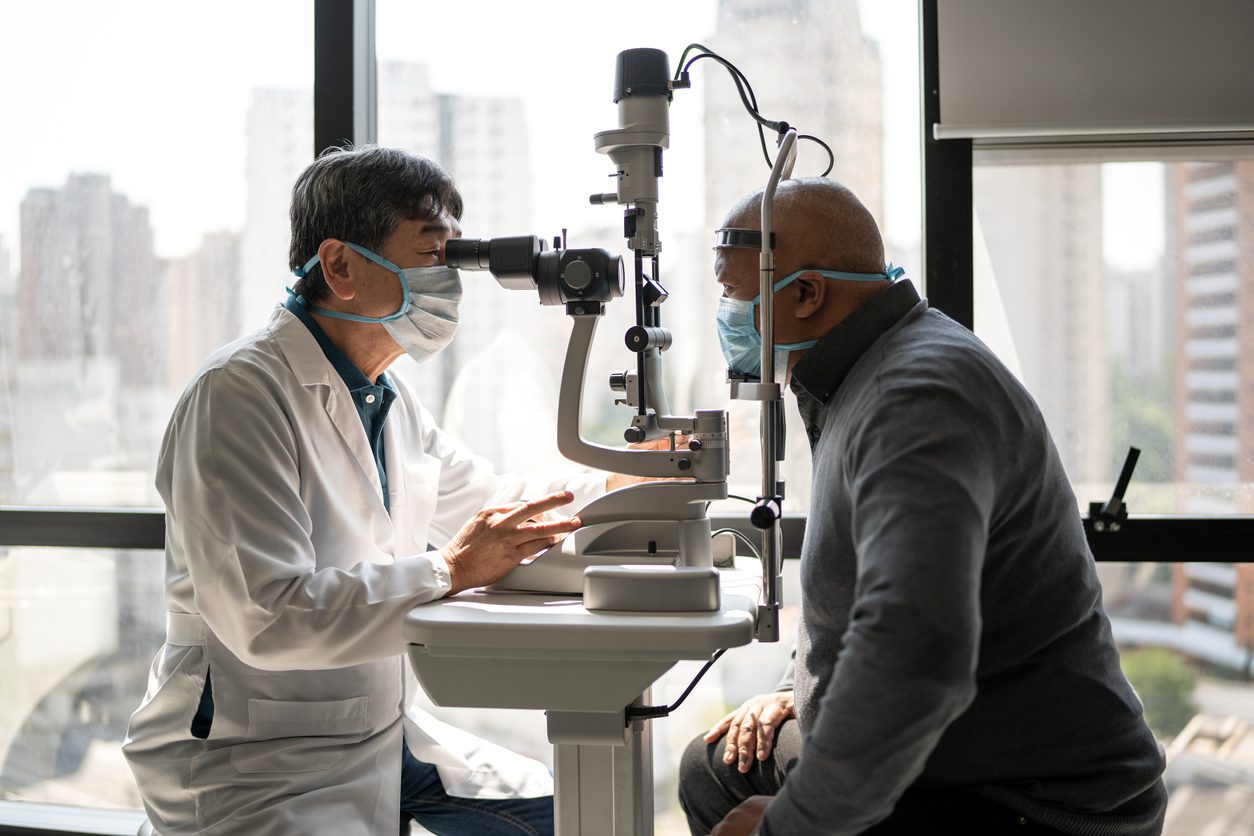
As we stated earlier, the LASIK eye surgery process begins with a consultation with one of the highly trained doctors here at Vistar Eye Center. Our staff members will greet you when you walk through the door and make you feel right at home. Your ophthalmologist will ask you about your medical history and they’ll want to examine your eyes to fully understand your current condition. Once you’ve been evaluated and are deemed a candidate, you can schedule your procedure. You’ll be sent home with important instructions on how to prepare for the surgery.
When you come in on the day of your surgery, we know you’ll likely feel somewhat nervous and that’s okay. We completely understand! But our team members will work hard to ease your nerves. We genuinely care about you and your safety. Your surgeon will ensure all of your questions and concerns are addressed, and they will create a treatment plan that’s custom-made for you. You should know that this procedure is safe, and the surgeon will be very gentle from start to finish. To begin, your surgical team will lead you to the procedure room and position you lying flat. They will place numbing eye drops in both of your eyes so the procedure won’t hurt. It’s normal to feel a little bit of pressure during the procedure, you should not feel any pain. Using iLASIK laser technology, your surgeon will open a thin corneal flap to reshape and reposition the inside of your cornea to allow it to heal. On average, this process can take about 30 minutes or less. By using this blade-free method, we’re able to provide better precision and more predictable results. Experts in the field have extensively tested iLASIK, and they’ve critically acclaimed it as an incomparable vision correction technology.
LASIK Recovery
When the surgery is complete, your eyes may feel itchy or irritated, and they might tear up. Blurry or hazy vision and sensitivity to lights are all typical in the recovery process. But please don’t rub your eyes as that could dislodge the flap, causing the need for additional treatment. The whites of your eyes may look red, as well. Your surgeon might suggest taking a pain reliever as you could experience some discomfort or mild pain. But these symptoms should all improve within the first few days following the procedure. We recommend you take at least one day off from work until your symptoms subside. If you experience any severe pain, or your symptoms or vision worsen, contact us immediately.
You’ll want to see your doctor within the first 24 to 48 hours after the LASIK surgery and come in for regular visits for at least the first 6 months post-op.
Want to Know if You’re a Candidate for LASIK? Schedule an Appointment Today!
The Vistar staff would love to speak with you. Call us to set up a consultation for LASIK eye surgery. We hope to hear from you soon.